I’ll be straight with you — I was skeptical. A $6 serum that promises to shrink pores, control oil, and fade acne marks? Sounds like every other overhyped skincare claim I’ve fallen for before. But after eight weeks of actually using The Ordinary Niacinamide 10% + Zinc 1% every single day, I have a lot to say. Some of it surprised me. Some of it didn’t. And I’m going to tell you all of it — no sugarcoating.
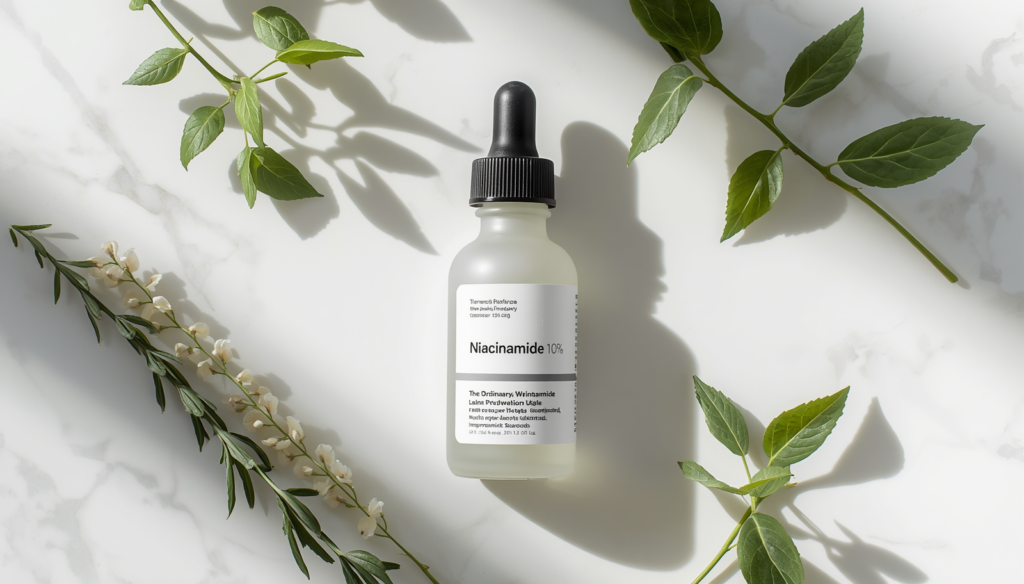
What Even Is This Serum? (And Why Everyone Talks About It)
If you’ve spent more than five minutes in any skincare community — Reddit, TikTok, YouTube — you’ve heard of The Ordinary. It’s a brand under DECIEM that basically said, “What if we just sold the active ingredients without charging you for fancy packaging and celebrity endorsements?” And somehow, it worked.
Their Niacinamide 10% + Zinc 1% serum is one of their bestsellers. For around $6 a bottle, you’re getting a water-based formula with two clinically researched ingredients — niacinamide (vitamin B3) at a 10% concentration, and zinc PCA at 1%. That’s it. No fluff, no filler, no mystery blend of 47 ingredients you can’t pronounce.
So What Do These Ingredients Actually Do?
Niacinamide at 10% is genuinely well-researched. It works by regulating how much oil your skin produces, which is huge if you’re someone who looks shiny by noon no matter what you do. It also helps with uneven skin tone, post-acne marks, and — with consistent use — visibly reduces the appearance of enlarged pores.
Zinc PCA brings anti-inflammatory support to the table. It calms redness, helps with active breakouts, and works alongside niacinamide to keep things balanced. Together, they’re one of the more logical ingredient pairings in affordable skincare.
The full ingredient list is only 10 items long. Dermatologists often call this kind of stripped-back formula “functional skincare” — you’re paying for results, not branding.
Who Is This Actually Made For?
Honestly? This serum was made for oily and combination skin types. If your skin gets shiny throughout the day, your pores feel constantly congested, or you deal with recurring breakouts and the dark marks they leave behind — this was designed with you in mind. People with normal skin can use it too, but if your skin leans dry or sensitive, I’d approach this one carefully.
First Impressions: How Does It Actually Feel?
The texture is clear and slightly gel-like — thinner than most serums I’ve tried. It has zero scent, which I personally love because fragrance in skincare is one of the more common irritants people don’t realize they’re reacting to.
It absorbs fairly quickly, but I did notice a slight tackiness the first few times I used it — especially when I applied it on slightly damp skin or used a few too many drops. That stickiness fades, but it was a little annoying at first. Once I figured out that two to three drops is genuinely enough, it stopped being an issue.
One thing worth mentioning: if you layer this under a silicone-heavy moisturizer too quickly, it can pill. Meaning it rolls up into little clumps on your skin. Not a dealbreaker, but let it absorb for a minute or two before piling on the next step.
How I Apply It (What Worked for Me)
- Cleanse first, pat face mostly dry — slightly damp skin is fine
- Two to three drops into my palm, then press gently onto my face
- Wait about 90 seconds before applying anything else
- Follow with a lightweight moisturizer, then SPF in the morning
- I use it both morning and night — built up to twice daily after the first week
⚠️ One thing I learned the hard way: Don’t use this in the same routine as pure Vitamin C (L-ascorbic acid). They can interfere with each other. I alternate now — niacinamide in the morning, Vitamin C at night — and that works much better.
What Actually Happened to My Skin After 8 Weeks
Week 1–2: Not Much (And That’s Normal)
I want to be upfront about this because I think a lot of people give up too early. The first two weeks were… fine. My skin felt slightly smoother, and I maybe noticed a tiny bit less shine by midday. But nothing dramatic. I almost talked myself out of continuing.
This is where most people quit — and honestly, that’s the biggest mistake. Niacinamide works by gradually regulating your skin’s behavior over time. It’s not a one-week fix.
Week 3–4: Okay, Now We’re Talking
By week three, something had shifted. My T-zone — usually reliably oily by 11am — was staying matte significantly longer. Not all day, but longer than it ever had without mattifying products. My pores around my nose also looked less congested, which I wasn’t expecting to notice this early.
Week 5–8: The Results I Actually Stayed For
This is where I genuinely became a convert. The post-acne marks I’d had on my cheeks for months had visibly lightened. Not gone — I want to be realistic — but noticeably lighter. My overall skin tone looked more even, and the texture felt smoother than it had in a long time.
The oil control was now consistent. I was blotting maybe once a day instead of three or four times. For me personally, that alone made this worth the $6.
According to research published in dermatology journals, niacinamide may help reduce melanin transfer in skin cells — which is what causes those lingering dark spots after a
heals. I’d read about this before starting, but experiencing it was a different thing entirely. It is always worth consulting a board-certified dermatologist before adding any new active to your routine, especially if you’re dealing with more severe hyperpigmentation or persistent acne.
The Honest Pros and Cons — No Fluff
✅ What I Genuinely Like
- The price is almost unfairly good — $6 for a formula this effective
- 10% niacinamide is a clinically relevant concentration — not a token amount
- Fragrance-free, vegan, and cruelty-free — ticks a lot of boxes
- Short ingredient list means fewer chances for unexpected reactions
- Lightweight enough to fit into any routine without disrupting it
- 4.3 out of 5 stars across nearly 50,000 Amazon reviews — the crowd rarely lies
❌ What Genuinely Annoyed Me
- The 10% concentration can be too intense if you have sensitive or dry skin — I’d start every other day and build up
- Pilling is a real issue if you layer it incorrectly — give it time to absorb
- It won’t fix deep or stubborn hyperpigmentation on its own — manage those expectations
- The dropper makes it annoying to get the last bit out of the bottle
- You have to be patient — meaningful results take at least 4 weeks minimum
Who Should Actually Buy This (And Who Should Think Twice)
This Serum Is a Great Fit If You:
- Have oily or combination skin and struggle with midday shine
- Deal with recurring breakouts or post-acne dark marks
- Want to reduce the appearance of enlarged pores over time
- Are newer to skincare actives and want a low-risk starting point
- Are on a budget and want something that actually delivers
Think Carefully If You:
- Have dry or dehydrated skin — the 10% concentration may cause tightness or flaking without extra hydration
- Have sensitive or reactive skin — start slow, every other day, and watch for irritation
- Have rosacea — high-concentration niacinamide can occasionally cause flushing initially
Individual results vary, and if you’re dealing with persistent skin concerns, a conversation with a qualified dermatologist is always the smarter first step.
Realistic Results Timeline — What to Actually Expect
| Timeframe | What to Expect |
| Week 1–2 | Smoother texture, very early oil reduction — don’t quit here |
| Week 3–4 | Noticeably less shine, pores start looking cleaner |
| Week 5–6 | Skin tone more even, fewer new breakouts forming |
| Week 7–8+ | Post-acne marks visibly lighter, oil control consistent |
I can’t stress this enough — consistency is everything. Using it twice a week isn’t going to give you twice-a-week results. Daily use for a minimum of six weeks is where the real difference shows up.
What Not to Use With This Serum (Seriously)
This is one of those things skincare beginners don’t always know until they find out the uncomfortable way, so let me just save you the trouble:
- Pure Vitamin C (L-ascorbic acid): Can reduce the effectiveness of both. Use them at different times of day — I do niacinamide in the morning, Vitamin C at night.
- Direct acids like AHAs or BHAs in the same step: If you use glycolic acid or salicylic acid, apply those separately — ideally different times of day or alternating days.
- Heavy silicone-based products applied right after: Let the serum absorb first before layering anything thick on top, or you’ll get pilling.
On the flip side, this serum plays beautifully with hyaluronic acid (apply after for hydration), a simple gentle moisturizer, and SPF. Those four products together make a genuinely solid, affordable routine.
How It Compares to Paula’s Choice 10% Niacinamide Booster
If you’re comparing options, Paula’s Choice is the most common alternative at the same 10% concentration. Here’s the honest side-by-side:
| Feature | The Ordinary | Paula’s Choice |
| Price (30ml) | ~$6 | ~$44 |
| Niacinamide % | 10% | 10% |
| Extra Actives | Zinc PCA 1% | Vitamin C + antioxidants |
| Texture | Thin water-gel | Slightly thicker |
| Best For | Budget oil control + pores | Brightening + pores combined |
My honest take? If oil control and pores are your main concern, The Ordinary gives you the same core ingredient for a fraction of the price. Paula’s Choice adds some nice extras, but whether those extras are worth seven times the cost is a question only your wallet can answer.
So — Is The Ordinary Niacinamide 10% Actually Worth It?
After eight weeks, my answer is yes — but with context.
It won’t cure severe acne. It won’t erase deep scars in a month. It’s not magic. But for a $6 serum, the results it delivers for oily and acne-prone skin are genuinely hard to argue with. Consistent oil control, visibly cleaner pores, and gradual fading of post-acne marks — that’s a solid return on investment by any measure.
If you have oily, combination, or acne-prone skin and you’ve been sitting on the fence about trying this, I’d say stop sitting and just try it. Worst case scenario? You’re out $6 and a few weeks. Best case? It becomes a permanent fixture in your routine.
And if you want to see how niacinamide fits into a full routine — especially if you’re dealing with hormonal acne or stubborn acne scars — I’ve written about both in detail. Those articles might help you build something that actually works for your specific skin situation.