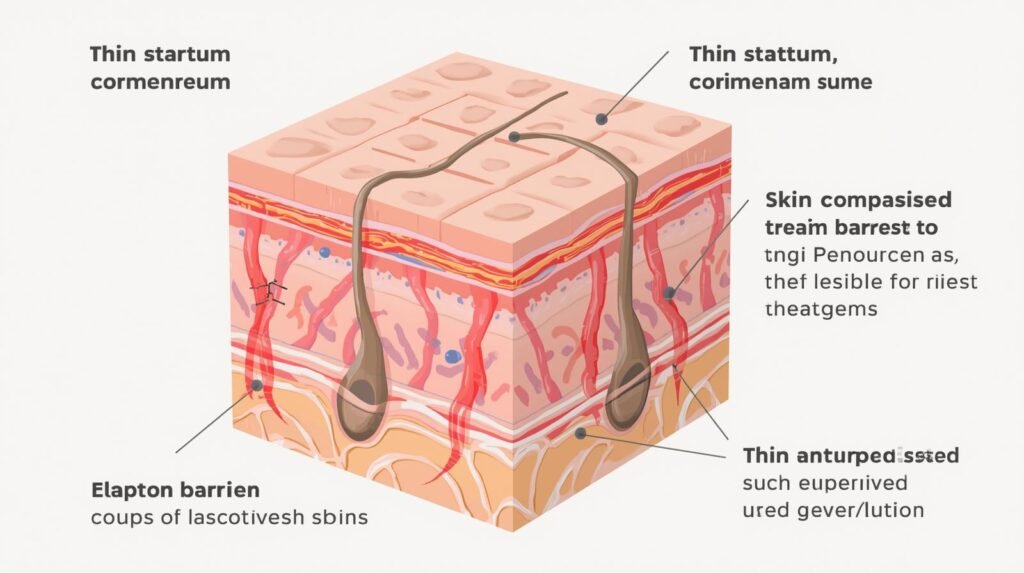
Sensitive skin is common — many people experience it — and it requires a gentle, thoughtful approach. When your skin reacts easily to products or environmental changes, you may notice redness, dryness, itching, or burning. This often happens because the outer layer of the skin (the stratum corneum) is thinner or weaker than usual, allowing irritants to penetrate more easily. That’s why choosing the right skincare for sensitive skin is essential.
Your skin quickly “tells you” when something doesn’t agree with it — whether it’s harsh soap, fragrance, sun exposure, or stress. The good news is that with the right routine and calming ingredients, you can soothe irritation, repair your skin barrier, and prevent flare-ups. Experts consistently emphasize gentle, hydrating, and barrier-repairing skincare for sensitive skin as the key to keeping it healthy and balanced.
Key Takeaway: Use mild, fragrance-free products and focus on barrier repair ingredients like ceramides and hyaluronic acid. Avoid common irritants (fragrance, alcohol, harsh acids) and always wear broad-spectrum SPF. Consistency and patch-testing are crucial, and consult a dermatologist if problems persist.
Understanding Sensitive Skin
Sensitive skin isn’t a formal diagnosis but rather a description of how your skin behaves. Sensitive skin is skin that reacts to things that don’t bother most people, such as mild weather changes or everyday skincare products. When triggered, sensitive skin often becomes dry, red, itchy or develops a rash. Anyone can have sensitive skin: it may be genetic, or develop after a skin condition (like eczema), or even due to aging or hormonal changes. The hallmark is skin barrier dysfunction: the lipids and cells that normally shield skin from irritants are compromised. This allows irritants (and moisture loss) to penetrate easily, leading to discomfort and inflammation.
Dermatologists note that sensitive skin can look and feel different for each person, but common signs include: flaky or peeling patches, burning or stinging sensation, dry patches, and redness or discoloration. If you notice irritation after using a product or exposure to elements that shouldn’t normally bother you, chances are your skin is sensitive.
- Symptoms of Sensitive Skin: Raised patches, rashes, dry flaky skin, bumps or hives, redness, burning/stinging or tightness. These symptoms often occur on the face, where skin is thinnest, but can affect the whole body.
- Prevalence: Roughly half of adults report that their skin is “sensitive.”
Scientific note: Research suggests sensitive skin often has a weaker stratum corneum (outer barrier), so when everyday agents (light, heat, detergents) hit the skin, they penetrate deeper and cause a reaction. In other words, our protective “armor” is thin. That’s why barrier repair is such a critical focus – strengthening that lipid barrier can dramatically reduce sensitivity.
Common Triggers and Irritants

Sensitive skin can flare in response to many triggers – products and environment alike. Typical skincare irritants include fragrances (natural or synthetic), dyes, alcohols (ethanol/denatured alcohol), and strong acids or preservatives. Dermatologists advise avoiding these whenever possible. Beyond cosmetics, everyday exposures can trigger sensitive skin:
- Fragrances & Dyes: Scents in creams, soaps, perfumes, laundry detergents, or even scented candles are one of the most common culprits. Both “natural” and synthetic fragrances can irritate.
- Harsh Chemicals: Sulfates (found in foaming cleansers and shampoos), benzoyl peroxide (in acne treatments), and high concentrations of AHAs/BHAs (glycolic or lactic acids) can strip oil and trigger redness. Alcohols (even “natural” denaturants) dry out skin rapidly.
- Environmental Factors: Hot sun/UV rays, cold or windy weather, dry indoor air, and pollution stress sensitive skin. Climate changes (heat, wind, cold), sun exposure, and even air toxins often trigger symptoms. A humidifier in dry climates or season can help maintain skin moisture.
- Physical Irritants: Rough fabrics (wool, synthetics) rubbing on skin or stiff loofahs and harsh scrubs can physically damage sensitive skin. Laundry detergents with scents or harsh enzymes are common hidden offenders; use a fragrance-free hypoallergenic detergent and rinse clothes twice to remove residue.
- Diet and Lifestyle: Stress, caffeine, alcohol, and poor nutrition can worsen skin sensitivity. Some people find that spicy foods, dairy or gluten trigger inflammation. While research is ongoing, adopting a balanced anti-inflammatory diet (rich in antioxidants, omega-3s, etc.) and stress-reduction practices (yoga, meditation) can benefit sensitive skin over time.
Common Sense: Pay attention to what causes your skin to flare. Keep a simple diary of products used and exposures to pinpoint culprits. Avoid layering lots of products at once; if a reaction occurs, simpler routines make it easier to isolate the trigger.
Gentle Cleansing and Skincare Products
A gentle skincare routine is the foundation for managing sensitive skin. This starts with choosing the right cleanser and being careful during every step of your regimen. Fragrance-free, hypoallergenic products are a must. Many dermatologists recommend skincare free of dyes, sulfates and harsh preservatives.
Gentle cleansing is step one: Use a hydrating, pH-balanced cleanser rather than a drying bar soap. Aim for a cream or gel cleanser labeled gentle or soap-free. These formulas clean without stripping your natural oils. Wash twice daily (morning and night) with lukewarm water – never hot – to prevent extra dryness.
- Cleanse Gently: Apply cleanser with soft fingertips and massage gently; avoid scrubbing or rough washcloths. Pat (don’t rub) skin dry with a soft towel.
- Soap-free and pH balanced: Traditional soap can disrupt the acid mantle; instead choose cleansers described as “pH-balanced” or “non-soap.” These help maintain moisture.
- Avoid Foam: Steer clear of foaming or exfoliating cleansers; they often contain sulfates. A light, creamy foam or milk cleanser works better.
- Sensitive-Tailored Products: Gentle, non-comedogenic and fragrance-free cleansers are usually safe default picks.
Tip: If you wear makeup, remove it carefully before cleansing. Use a gentle makeup remover or micellar water first, then cleanse. This helps the actual cleanser focus on dirt, not heavy pigments or waterproof products.
Barrier Repair: Moisturizers and Hydration
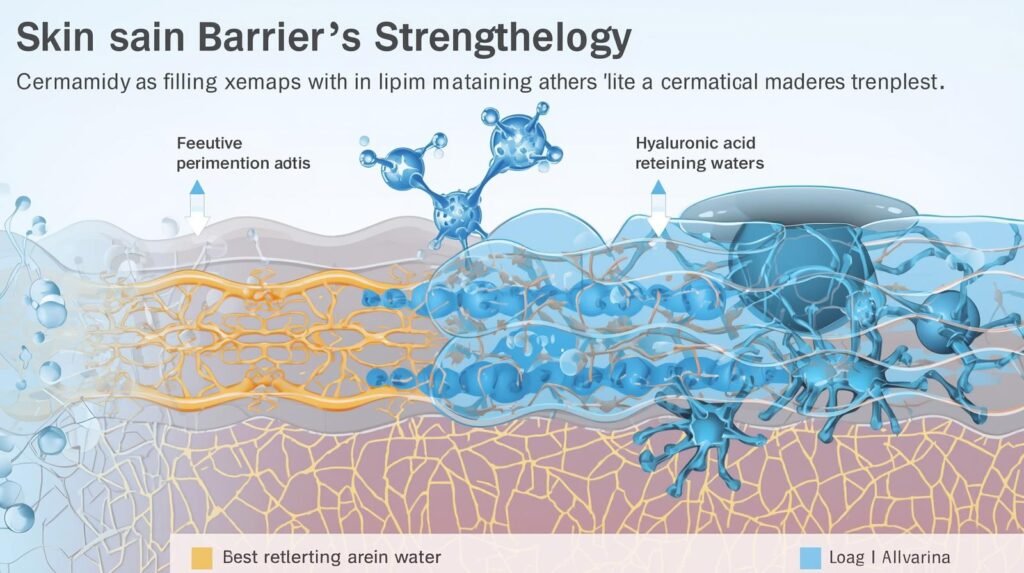
After cleansing, moisturizing is arguably the most important step for sensitive skin. A rich, soothing moisturizer helps restore the skin’s barrier and prevent transepidermal water loss (drying out). Dermatologists consistently recommend fragrance-free, emollient creams rather than light lotions for sensitive skin. Look for products formulated to deliver and lock in moisture: key ingredients include ceramides, hyaluronic acid, glycerin, squalane, and niacinamide. These ingredients attract and hold water, and reinforce the lipid (fat) barrier.
- Apply on Damp Skin: Apply moisturizer immediately after washing while skin is still slightly damp to trap water in the skin.
- Choose Creams/Ointments: Creams and ointments contain more oils/lipids than lotions, making them more effective for dry, sensitive skin. Ingredients like dimethicone, shea butter, jojoba oil and petroleum jelly lock in moisture.
- Key Hydrators: Glycerin, hyaluronic acid, panthenol hydrate without irritation. Squalane and niacinamide are soothing and barrier-supporting.
- Barrier Repair Products: Products labeled “barrier repair” or “skin restore” often have high levels of ceramides and fatty acids to rebuild the protective layer.
Pro Tip: At night, apply a thicker layer or overnight mask to super-hydrate. Cold, dry environments can sap moisture; using a portable humidifier at night can help prevent your skin from drying out.
Sun Protection is Essential
Sensitive skin is often even more prone to sun damage, which can cause irritation, redness and long-term issues. Daily sunscreen is non-negotiable. Use a broad-spectrum SPF 30 or higher to protect against both UVA and UVB rays. Dermatologists strongly advise a mineral (physical) sunscreen for sensitive skin – look for zinc oxide or titanium dioxide as the active ingredients. Make sure the sunscreen is fragrance-free and non-comedogenic.
- Reapply Often: Reapply sunscreen every 2 hours when outdoors.
- Additional Protection: Wear sun-protective clothing, wide-brim hats and sunglasses. Sun exposure can still sneak in from bright winter snow or reflective surfaces, so protection is year-round.
Remember: Even on cloudy days, UV rays reach your skin. Over time, unprotected UV exposure can disrupt the skin barrier further and trigger visible flare-ups. Always make sunscreen the final step of your morning routine.
Gentle Exfoliation and Treatments (With Caution)
Exfoliating can improve skin texture by removing dead cells, but sensitive skin must be exfoliated very gently and sparingly. Avoid rough scrubs or stiff brushes, which can damage sensitive skin. Use only mild chemical exfoliants and no more than once a week. Patch-test any new exfoliant first. Follow exfoliation with extra moisturizer. Over-exfoliation can worsen sensitivity.
Ingredients to Embrace vs. Avoid
Embrace soothing, hydrating ingredients: Ceramides, hyaluronic acid, glycerin, niacinamide, panthenol, shea butter, squalane, antioxidants (vitamins C & E), aloe vera, chamomile, colloidal oatmeal.
Avoid known irritants: Fragrance, dyes, alcohols, sulfates, benzoyl peroxide, high-strength acids, essential oils, harsh preservatives.
Building a Simplified Sensitive-Skin Routine
Sensitive skin fares best with a streamlined routine:
- Morning: Cleanse gently → optional toner → serum (hyaluronic acid/niacinamide) → moisturizer → mineral sunscreen.
- Evening: Cleanse → serum → night cream/moisturizer.
- Weekly: Gentle exfoliation (once/week) followed by moisturizer.
- Patch Test New Products: Apply to small area first and observe for 24–48 hours.
- Be Gentle with Application: Light pressure only; avoid rubbing.
Lifestyle and Environmental Tips
- Dress for comfort: Soft, natural fabrics.
- Laundry care: Hypoallergenic detergent, double rinse.
- Avoid hot showers: Lukewarm water under 10 minutes.
- Humidity: Use a humidifier in dry climates.
- Diet & Hydration: Drink water, eat balanced diet, avoid triggers.
- Stress Management: Yoga, meditation, sleep, gentle exercise.
When to See a Dermatologist
See a dermatologist if:
- Persistent symptoms despite gentle care
- Severe reactions (painful welts, intense burning)
- Suspected underlying condition (eczema, rosacea, psoriasis)
Conclusion
Sensitive skin can feel challenging, but with mindful care you can improve comfort and appearance. Identify and avoid irritants, cleanse gently, hydrate, and protect from sun. Use products with ceramides, hyaluronic acid, and other soothing ingredients. Less is more; simple routines often win. Consult a dermatologist if needed for persistent issues.
Frequently Asked Questions
What is sensitive skin? Skin that reacts strongly to products or environment with symptoms like redness, dryness or burning.
How can I tell if my skin is sensitive? Look for redness, burning, tightness, or itch after products or environmental exposure.
What causes skin to become sensitive? Triggers include fragrances, harsh chemicals, temperature changes, stress, and genetics.
How should I cleanse sensitive skin? Use mild, hydrating, fragrance-free cleansers with lukewarm water, once or twice daily.
What ingredients should sensitive skin avoid? Avoid fragrances, alcohol, sulfates, strong acids, and essential oils.
Which ingredients are best for sensitive skin? Ceramides, hyaluronic acid, glycerin, niacinamide, squalane, panthenol, shea butter.
Can I exfoliate if I have sensitive skin? Only gently and sparingly, preferably once a week with mild chemical exfoliants.
Should I use sunscreen on sensitive skin? Yes. Mineral-based SPF 30+ daily, reapply every 2 hours outdoors.
How do I soothe a sudden skin irritation? Stop new products, cleanse gently, apply moisturizer/barrier cream, use cool compress.
When should I see a dermatologist for sensitive skin? Persistent irritation, severe reactions, or suspected underlying conditions require professional care.